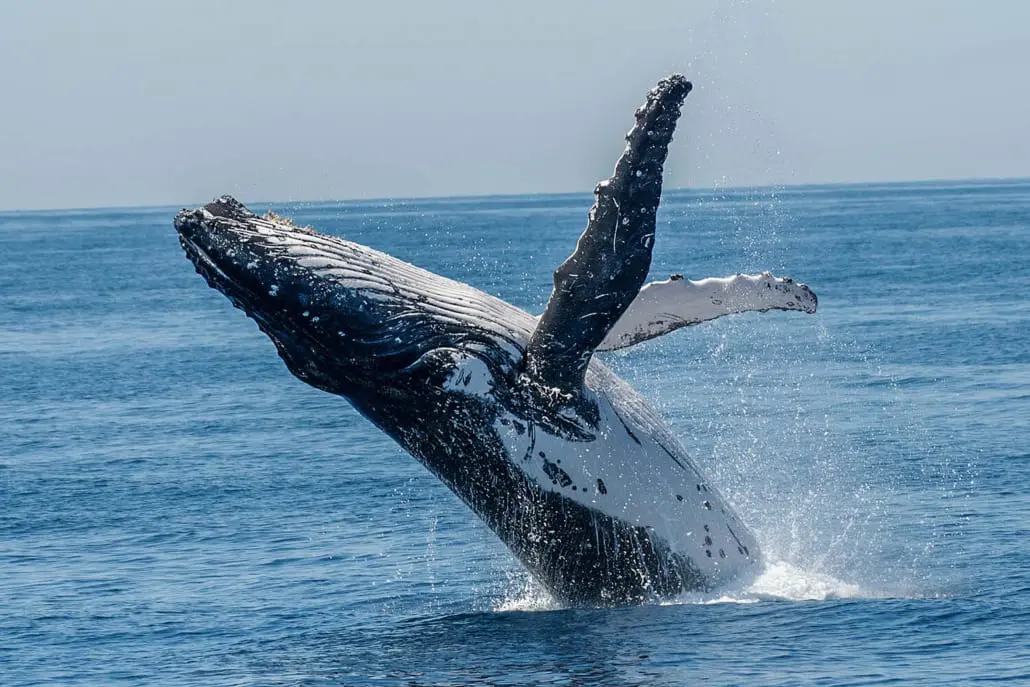
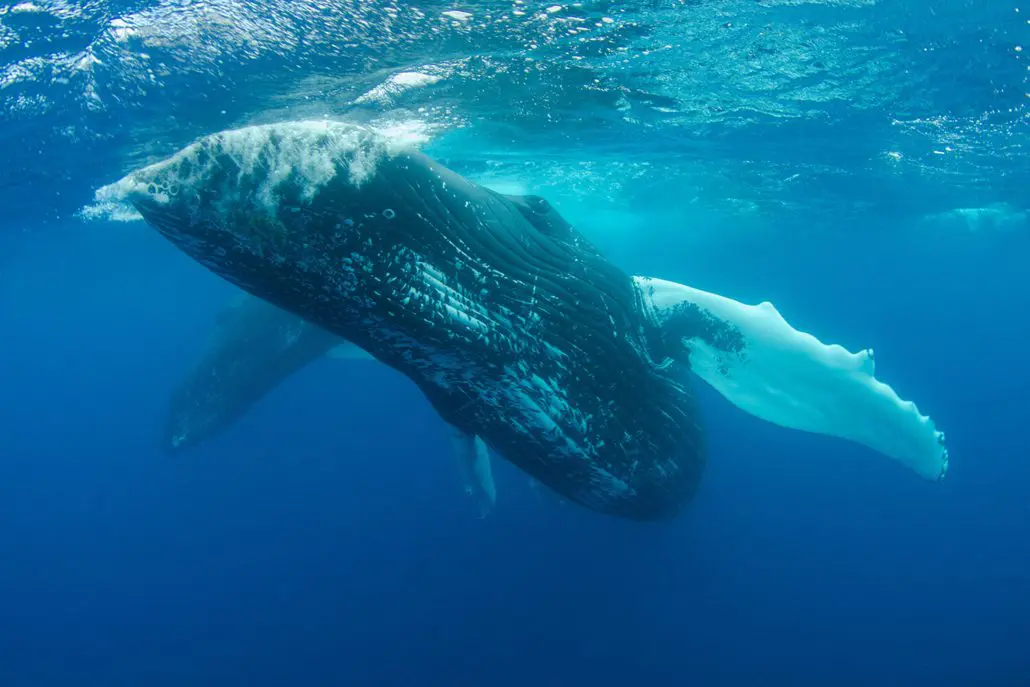
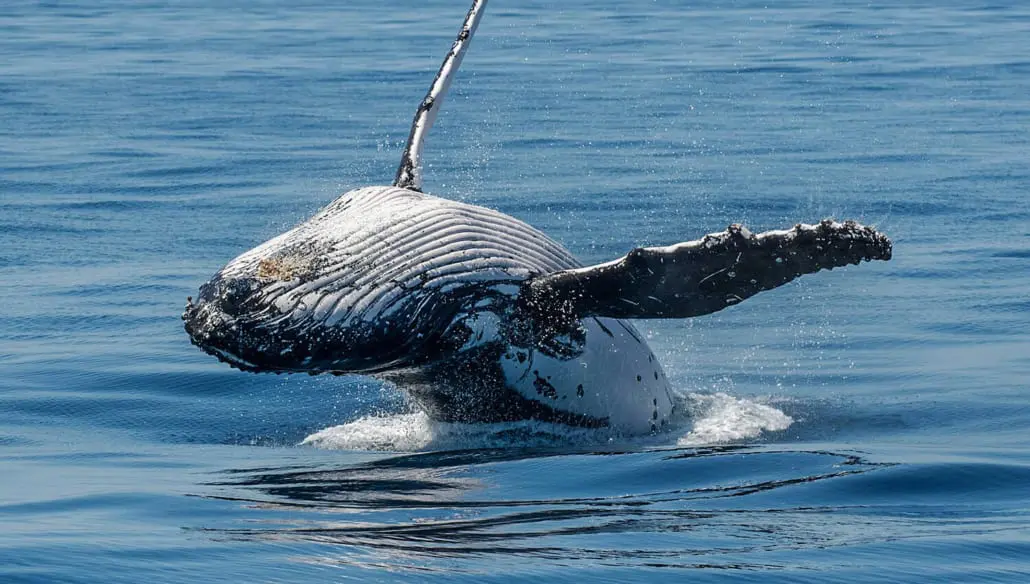
Humpbacks are found in every ocean on Earth, but no individual whale lives in all of it. Each population works a corridor between a cold feeding ground and a warm breeding ground, and spends its life moving between the two.
Summer: the Southern Ocean
For the whales we see off Queensland, summer means Antarctic waters — the edge of the sea ice, where long daylight drives plankton blooms and enormous swarms of krill. This is where a humpback does virtually all of its eating for the year, feeding hard for a few short months to build the blubber that funds everything else.
Winter: tropical and subtropical water
From June the whales occupy shallow, warm, sheltered water along the Queensland coast and out to the reef. Warm water costs a newborn calf far less energy to survive in, and reef and island systems break the ocean swell into something a calf can handle. There is almost nothing to eat here — the whales are running on reserves.
Why the Southern Great Barrier Reef
The waters around Lady Musgrave Island and the southern reef offer the combination that resting mothers need: shelter from open-ocean swell, clear protected lagoon systems and depth that suits calm, slow travel. It's the reason whales linger here rather than pushing straight past, and the reason encounters off Bundaberg run long and unhurried.
A habitat under pressure
Both ends of the range are changing. In the south, warming water and shifting sea ice affect krill distribution. In the north, coastal development, vessel traffic and underwater noise all press on the resting grounds. Humpbacks are adaptable animals, but the quality of these two habitats is what keeps the population healthy — read more in what humpback whales eat.
 BOOK A WHALE WATCHING TOUR