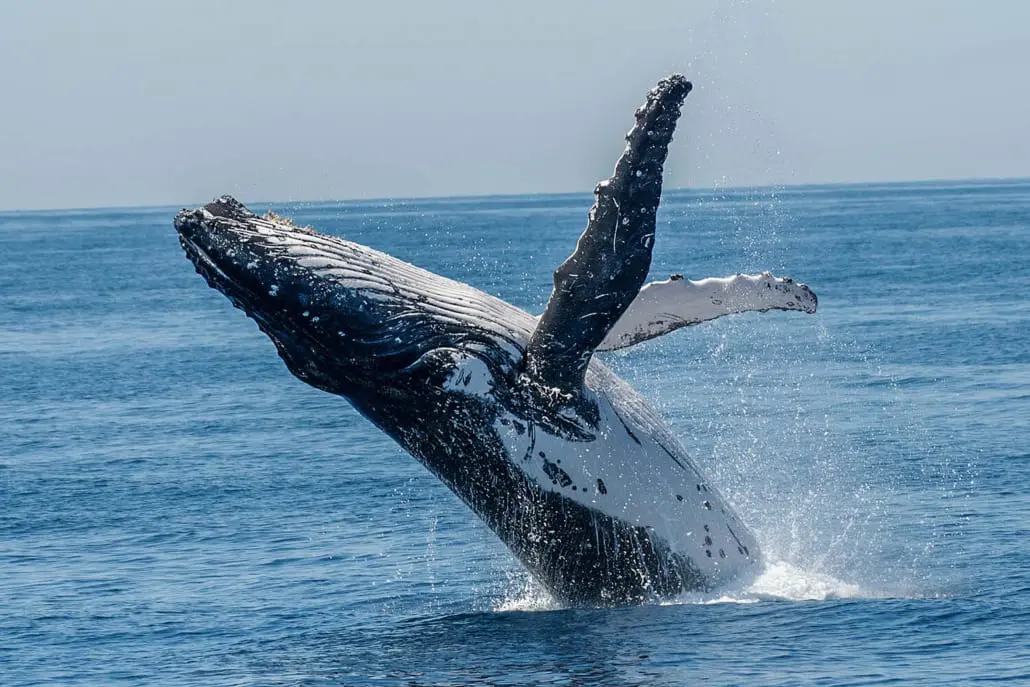
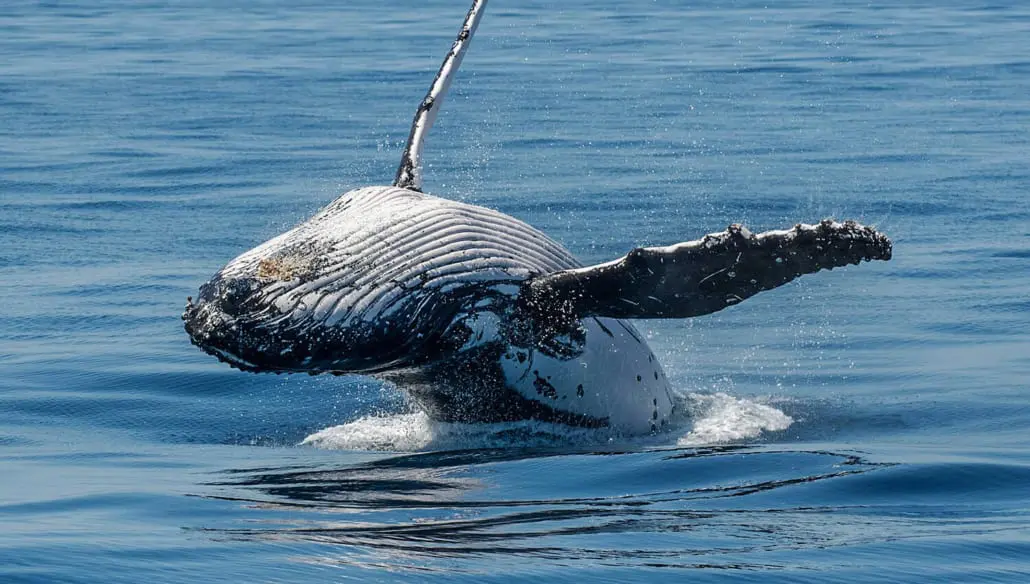
The southern end of the Great Barrier Reef is quieter, clearer and far less visited than the reef's northern sections — and for humpbacks travelling south with new calves, it is the best rest stop on the Queensland coast.
What "southern reef" actually means
This is the stretch running roughly from the Bundaberg coast out to the Bunker and Capricorn island groups, including Lady Musgrave Island and its coral lagoon. Reef structures here break the ocean swell before it reaches the inner water, producing the calm conditions whales — and whale watchers — prefer.
Why humpbacks stop here
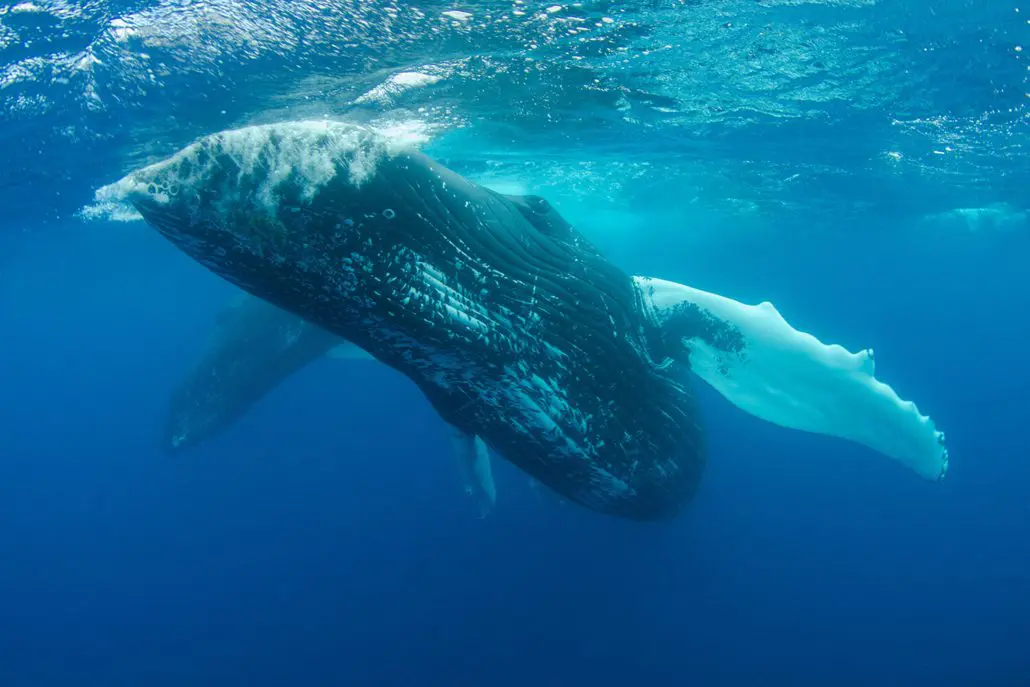
A calf on its first migration can't handle open ocean for weeks on end, and its mother is fasting the whole way. Sheltered, warm, shallow water lets the pair rest, nurse and build strength before committing to the Southern Ocean crossing. That is why encounters out here run long and static — the whales aren't going anywhere in a hurry. More on this in the humpback habitat guide.
What else you'll see
Green and loggerhead turtles surfacing, bottlenose dolphins riding the bow, manta rays in season, terns and shearwaters working bait schools, and the reef itself changing colour as the light moves. A whale day out here is a whole marine safari, not a single-species trip.
A protected marine park
Everything out here sits inside the Great Barrier Reef Marine Park, with rules covering vessel approach, speed and behaviour around whales. We're Eco Certified and operate within them — see conservation status and protections for the detail, or how our tours run for what that means on the day.
 BOOK A REEF WHALE TOUR