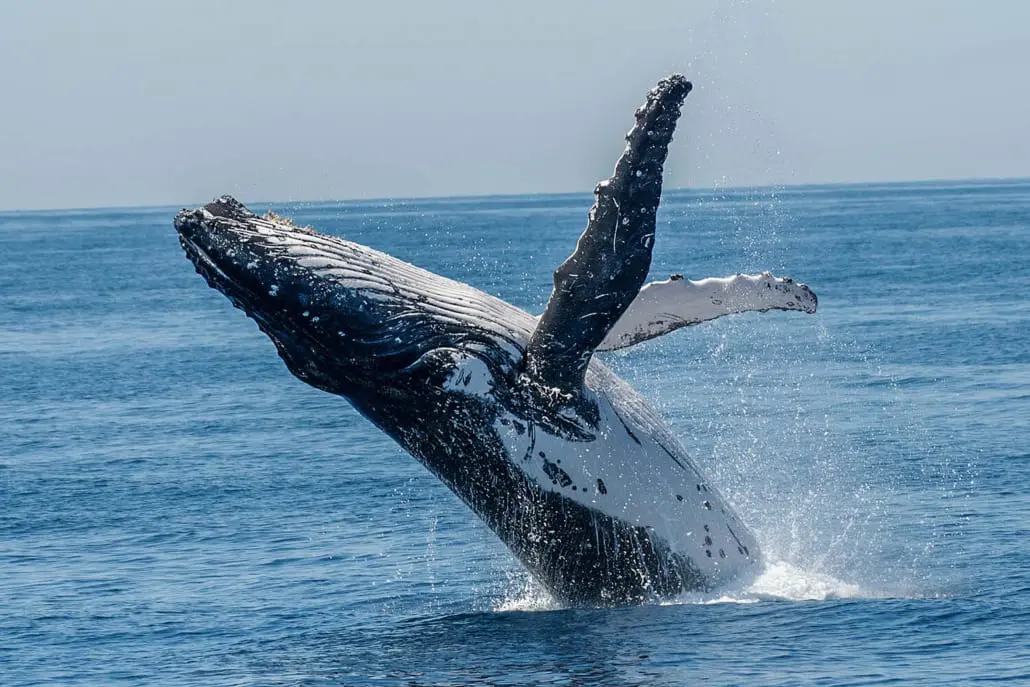
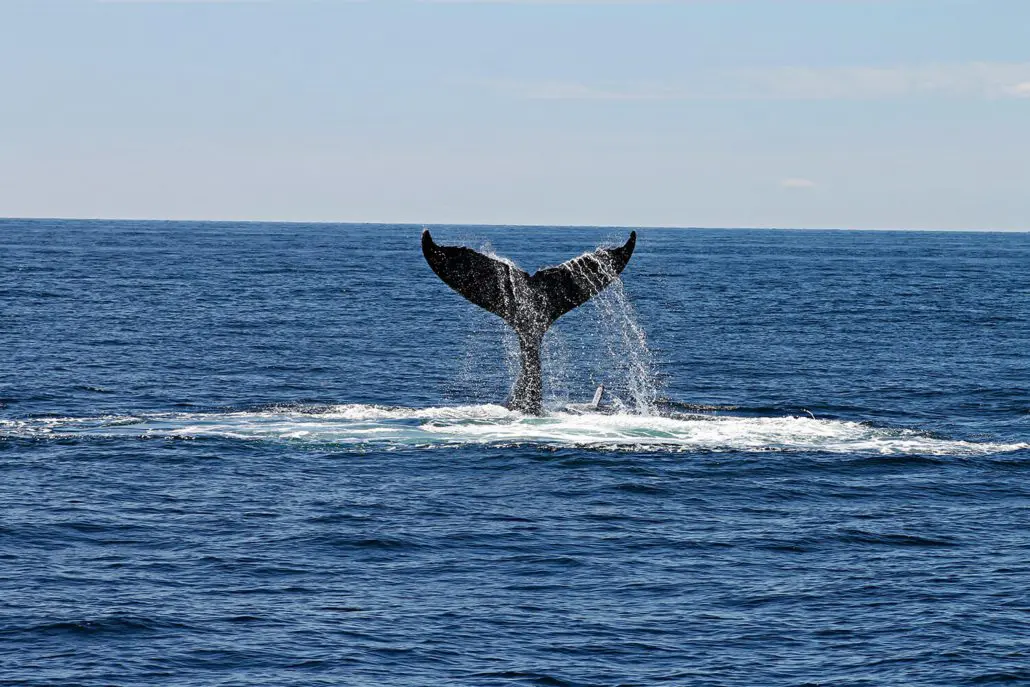
Humpbacks migrate annually from summer feeding grounds near the poles to warmer winter breeding waters closer to the Equator — a round trip of roughly 10,000 kilometres for the east Australian population.
Why they travel at all
The food is in the south and the safety is in the north. Antarctic waters carry the krill swarms that let a humpback put on the blubber it needs for a year, but they are cold and full of orca. Warm tropical water is nearly empty of food, yet it is calm, clear and far safer for a newborn calf with no insulating blubber of its own. The migration is the compromise between the two.
The northern run
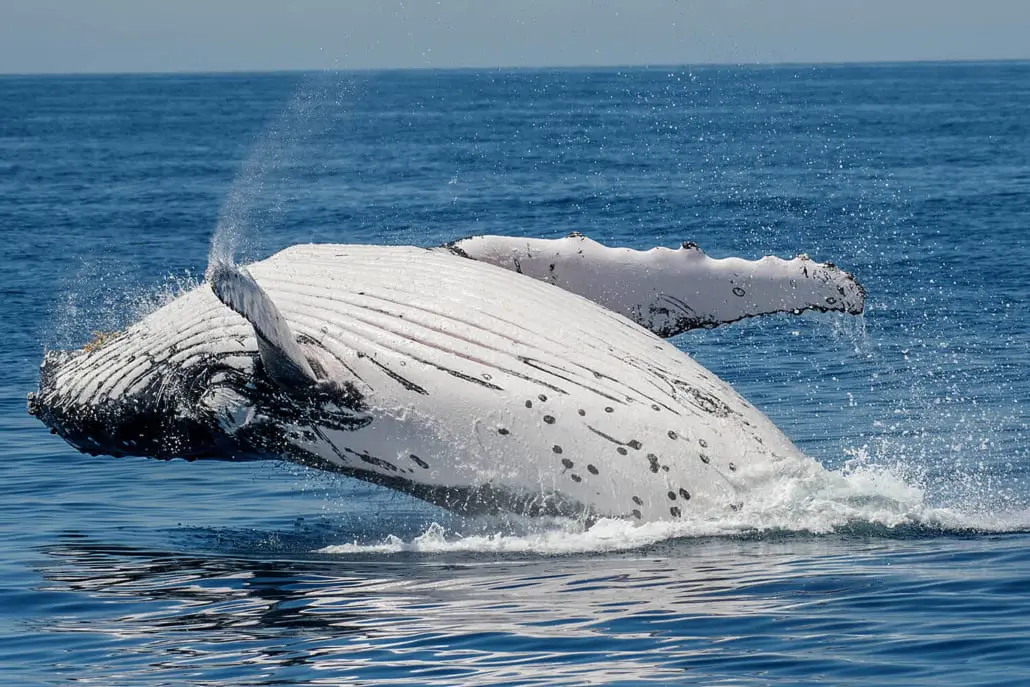
From late autumn the whales leave Antarctic waters and move up the eastern seaboard, passing New South Wales through June and reaching Queensland from June into July. Northbound whales are travelling with intent — you see purposeful swimming, competitive pods of males jostling around a female, and plenty of breaching.
The southern return
From roughly August the traffic reverses, and this is the part of the season that makes Bundaberg special. Mothers with new calves take the return trip slowly, resting in sheltered reef water, letting the calf build strength. Encounters are longer, closer and calmer than anything on the way north — the whales are in no hurry, and neither are we.
How they navigate
Humpbacks hold remarkably straight courses over thousands of kilometres. Research points to a combination of cues — the sun's position, the Earth's magnetic field and memory of the coastline — with mothers passing the route to calves on that first journey south. It is learned as much as it is instinctive.
Seeing it from Bundaberg
Bundaberg sits at the southern gateway to the Great Barrier Reef, so the whales pass close to shore in protected water. That means shorter runs out, calmer conditions and more time alongside whales instead of travelling to find them. See the habitat guide for why this stretch of coast matters, or book a tour for the season ahead.
 BOOK A WHALE WATCHING TOUR