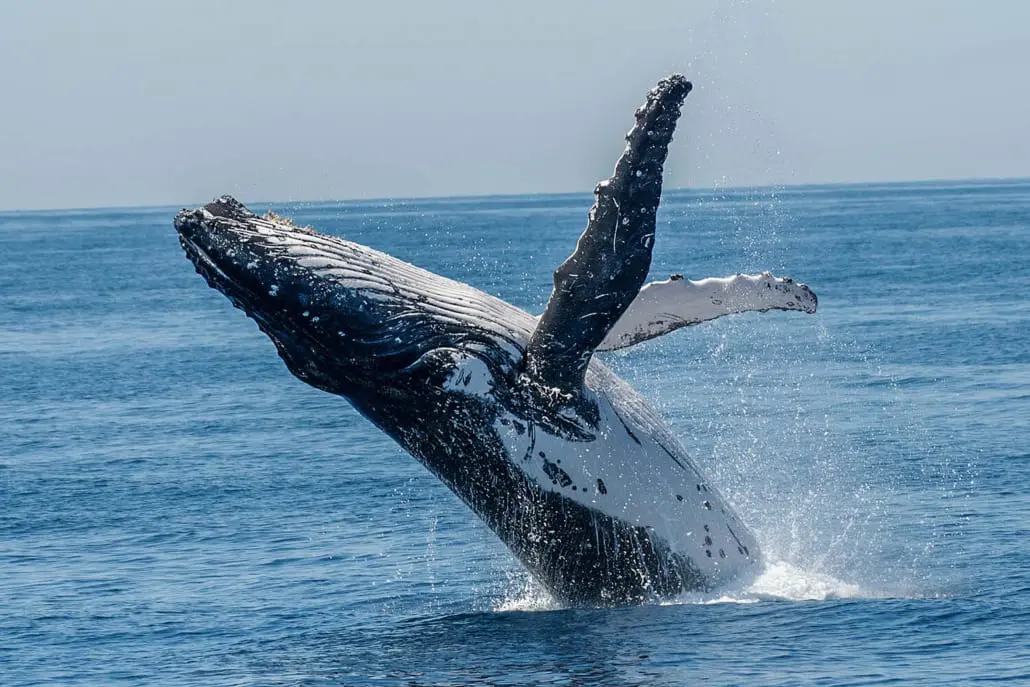
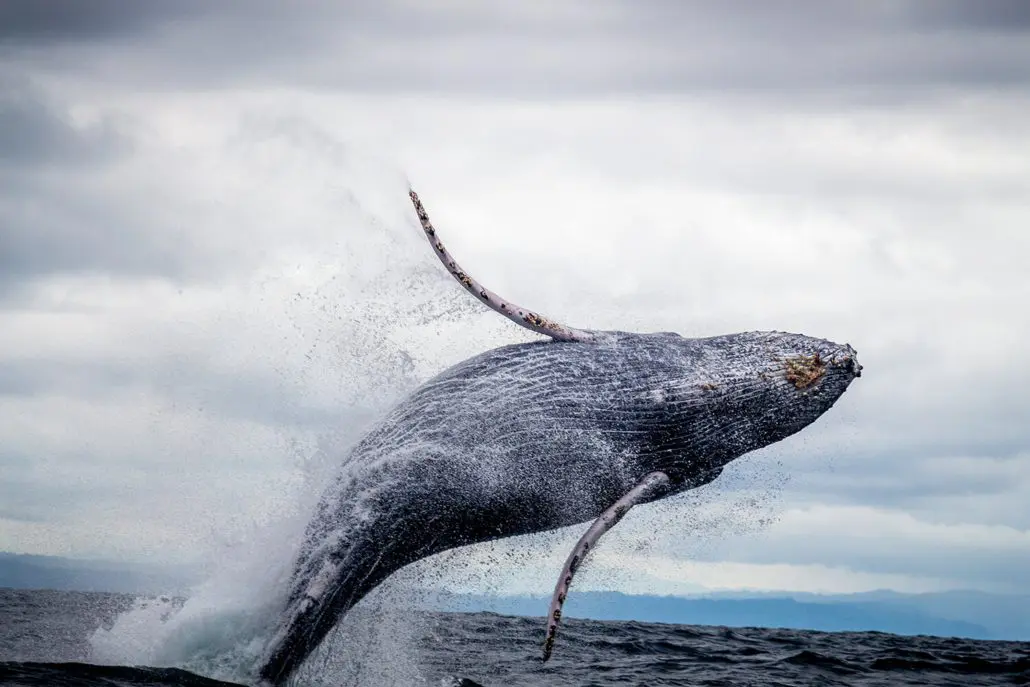
Whale watching tours in Bundaberg depart from Bundaberg Port Marina at Burnett Heads, roughly 20 minutes from the Bundaberg CBD, and run from June to October. Bundaberg sits at the southern tip of the Great Barrier Reef, so humpbacks pass in reef-sheltered water where mothers and calves rest on the southbound migration.
Bundaberg sits at the southern tip of the Great Barrier Reef, which puts it in an unusual position for whale watching: the humpbacks pass close by, in protected reef water, without the crowds of boats you find further south.
Where tours depart
We depart from Bundaberg Port Marina at Burnett Heads, about 20 minutes from the Bundaberg CBD. That makes it the closest departure point for whale watching near Bundaberg, and the only one inside the port. There's free parking at the marina, sealed access all the way and a short flat walk to the berth — easy with kids, gear or limited mobility. Exact check-in times come with your booking confirmation.
Why Bundaberg is good whale country
Two things matter when you're trying to spend a day beside a whale: how long you spend travelling, and how rough the water is when you get there. The reef systems off Bundaberg break the ocean swell, so conditions inside run noticeably calmer than the open coast — and the whales know it. Mothers with new calves use this water to rest on the southbound leg, which is why encounters here tend to be slow, close and unhurried rather than a glimpse of a fast-moving blow. A Bundaberg whale cruise spends its time watching whales, not chasing them.
Read more about the water itself in our guide to whale watching on the Southern Great Barrier Reef, or the biology behind it in the humpback migration guide.
Bundaberg and the Humpback Highway
The migration corridor humpbacks follow up and down the east coast of Australia is known as the Humpback Highway, and Bundaberg sits on one of its more interesting stretches. North of here the route hugs the coast; at the southern tip of the Great Barrier Reef it fans out through island and reef systems, and whales use that shelter to rest rather than simply pass through. So a Bundaberg whale tour isn't a dash out to intercept traffic — it's a morning spent in the lay-by, where the animals have chosen to stop.
When to visit
The Bundaberg whale season runs roughly June through October, peaking around August and September when mothers and calves are resting in reef water. Our Bundaberg month-by-month guide sets out what June, July, August, September and October each look like from the deck, and the best time for whale watching in Queensland covers the wider state.
Making a trip of it
Bundaberg is a four hour drive north of Brisbane, has its own airport with daily flights, and plenty to fill the days either side of a whale tour — the Mon Repos turtle rookery in season, the region's rum and food trail, and quiet beaches at Bargara and Burnett Heads. Many guests pair a whale day with a reef day out to Lady Musgrave Island. If you're coming up from the capital, see whale watching near Brisbane.
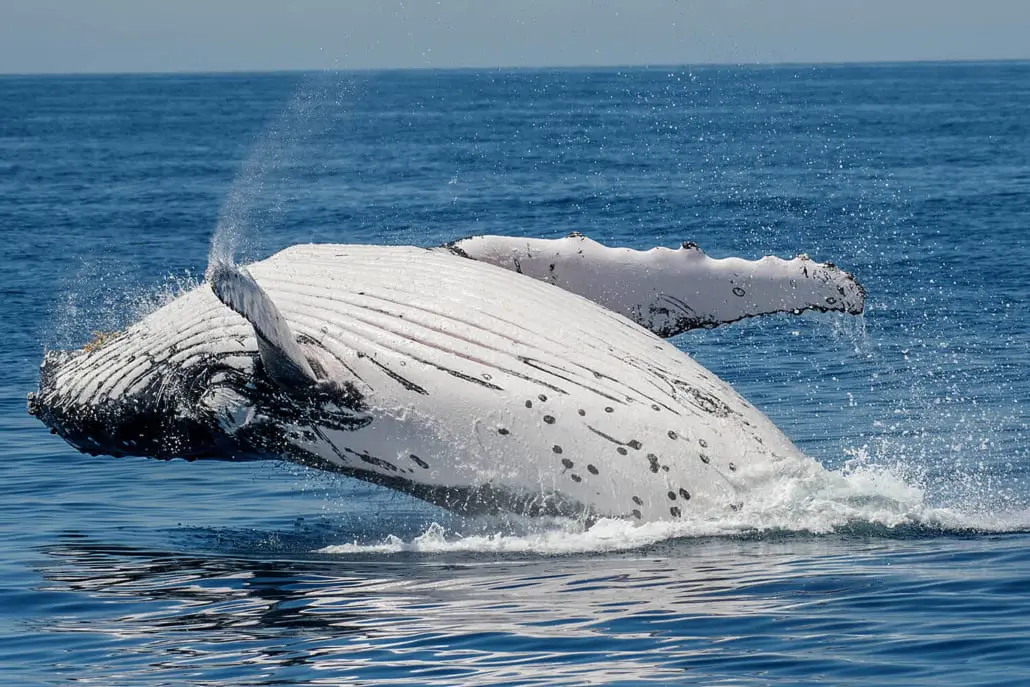 BOOK A BUNDABERG WHALE TOUR