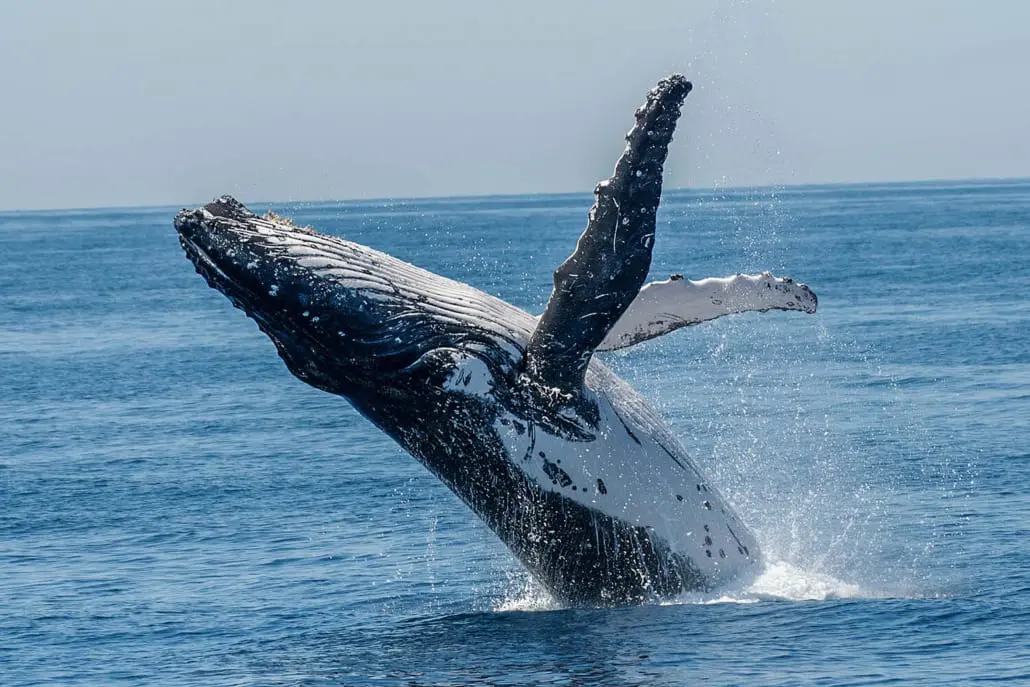
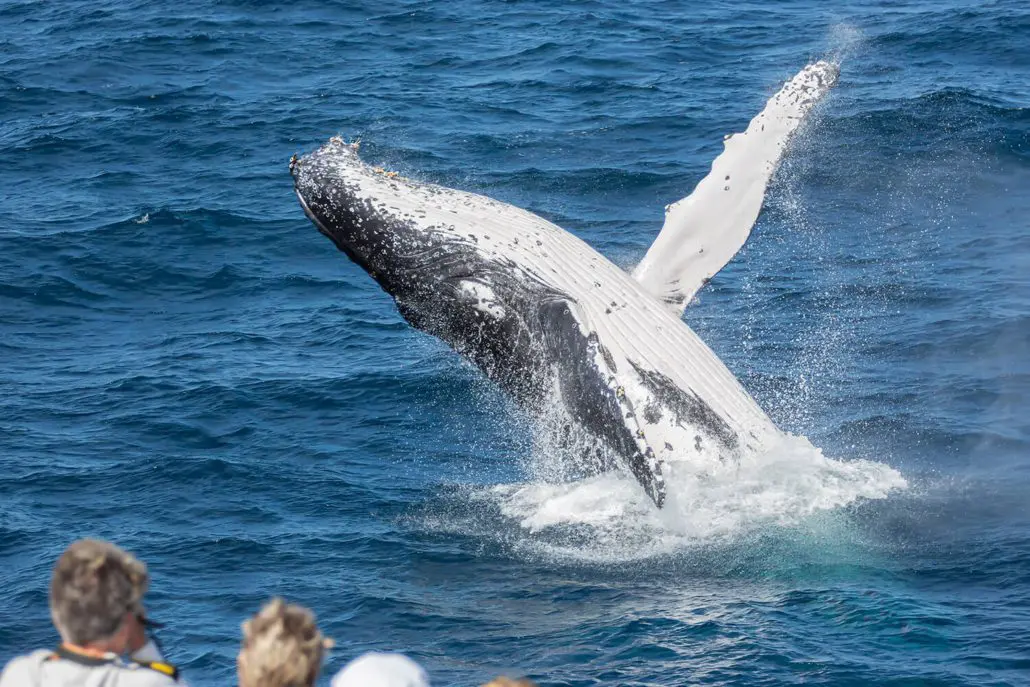
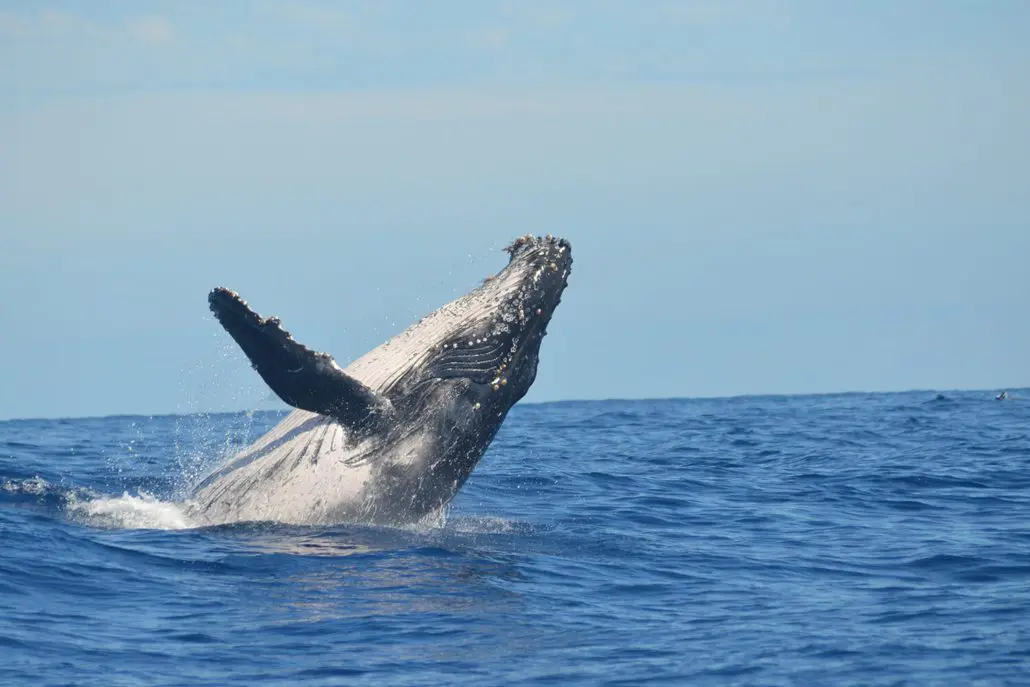
The whales passing Bundaberg belong to the east Australian humpback population — a group that was hunted to the edge of collapse within living memory and has since rebuilt itself into the largest concentration of humpbacks in the world.
From a few hundred to tens of thousands
Commercial whaling on the east coast ran until the early 1960s and reduced the population to a remnant of a few hundred animals. Protection came in 1963, and the recovery since has been close to the theoretical maximum rate for the species — roughly ten to eleven per cent growth a year over decades. Current survey estimates put the east coast population in the tens of thousands, with more than 40,000 whales thought to pass along the Queensland coast in a season.
How the counting is done
Population estimates come from land-based survey counts at fixed headlands, aerial surveys, photo-identification of individual tail flukes and genetic sampling. No single method is definitive — the numbers you see quoted are models built from several data sets, which is why different sources give slightly different figures.
What a recovered population looks like
Recovery brings its own questions. As numbers approach what the environment can support, growth naturally slows, and researchers watch for signs of that — body condition, calving rates and how the whales respond to variation in Antarctic krill. A large population is also a more visible one: more entanglements, more vessel interactions, more strandings simply because there are more whales.
Why it matters on a tour
A healthy population is the reason a day on the water off Bundaberg can produce dozens of whales rather than a distant blow on the horizon. It is also the reason responsible operating standards matter — the recovery was earned, and keeping our distance, approaching slowly and letting whales choose the interaction is how it's protected. More on that in are humpback whales endangered?
 BOOK A WHALE WATCHING TOUR